



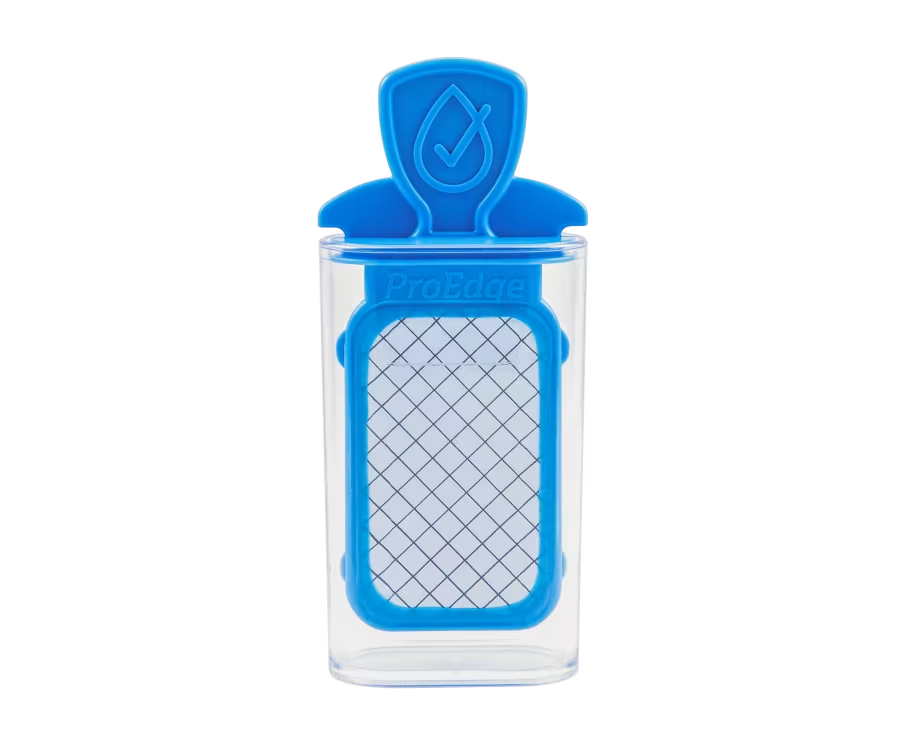
QuickPass
In-Office Water Test
Test, verify, and take action—all in your office.
From $
96.99

Need help?
4 pack
96.99
8 pack
177.99
12 pack
236.99
24 pack
413.99
Quartely
Twice Yearly
Annual
QuickPass Is Best for Those Who...
Don't want to ship a mail-in test.


Are looking for an economical test.


Need fast, reliable in-office results.


Value in-office confidentiality.

QuickPass
In-Office Water Test
Test, verify, and take action—all in your office.
from $
96.99
4 pack
96.99
8 pack
177.99
12 pack
236.99
24 pack
413.99
How QuickPass Works

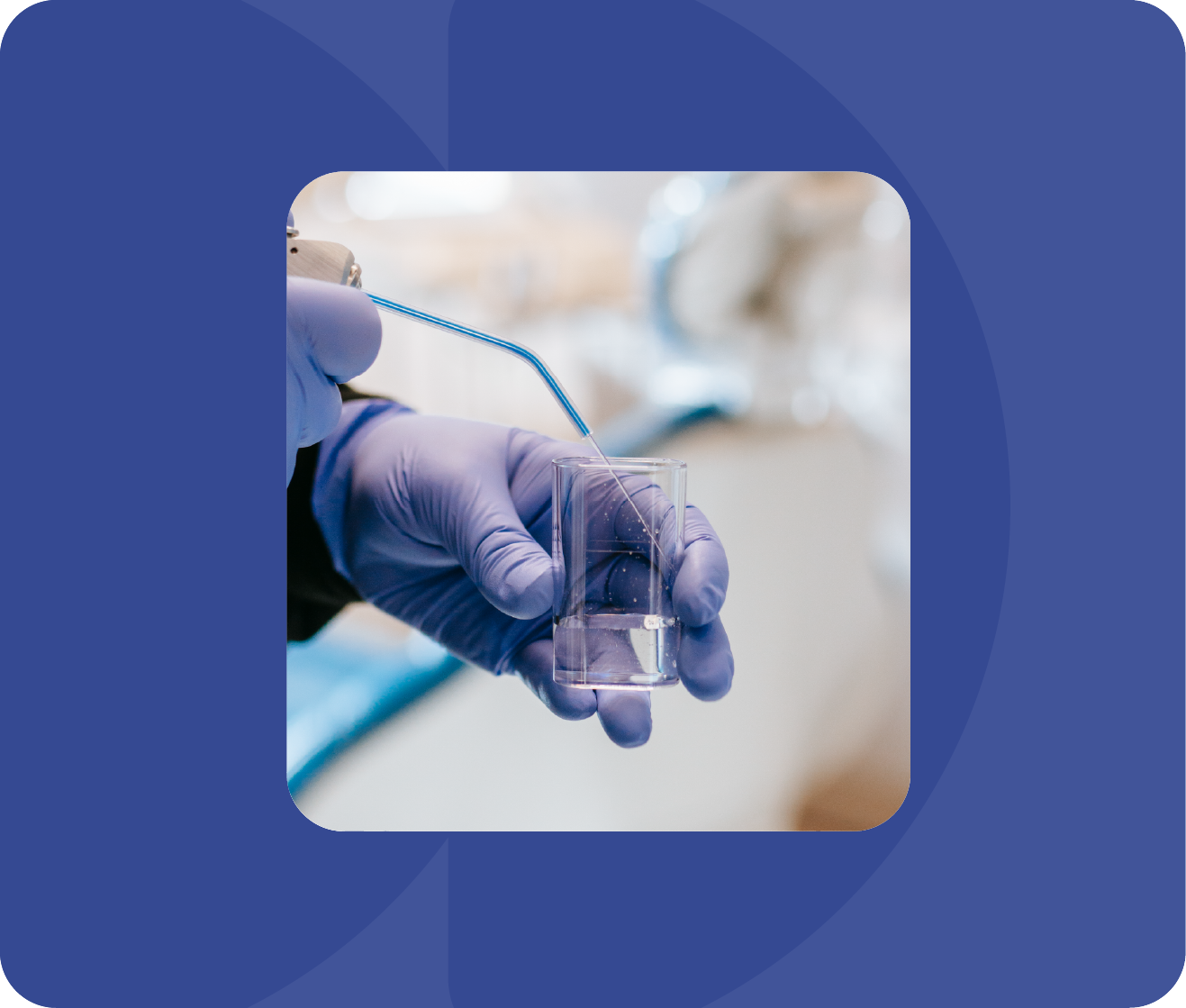
Sample your water.
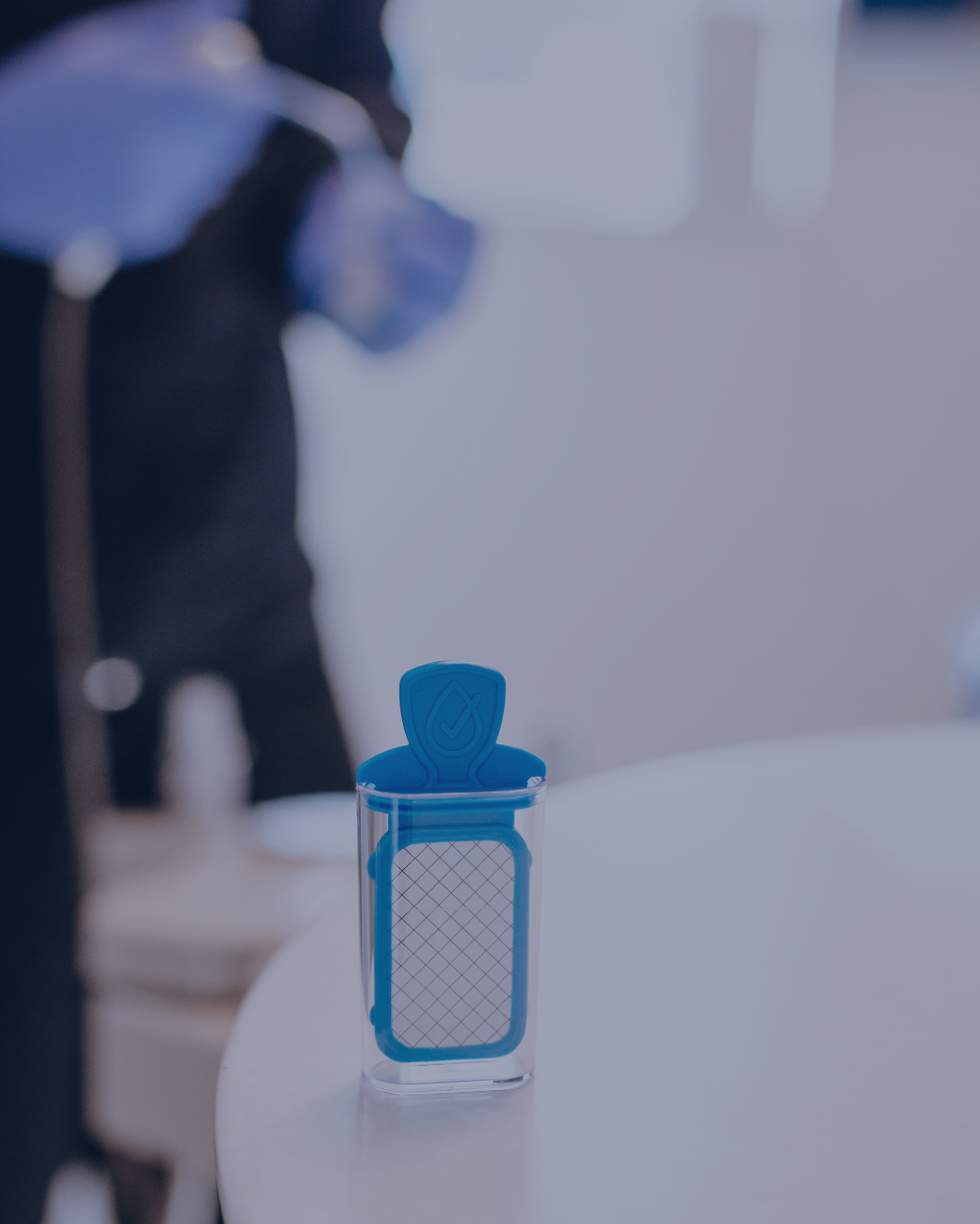
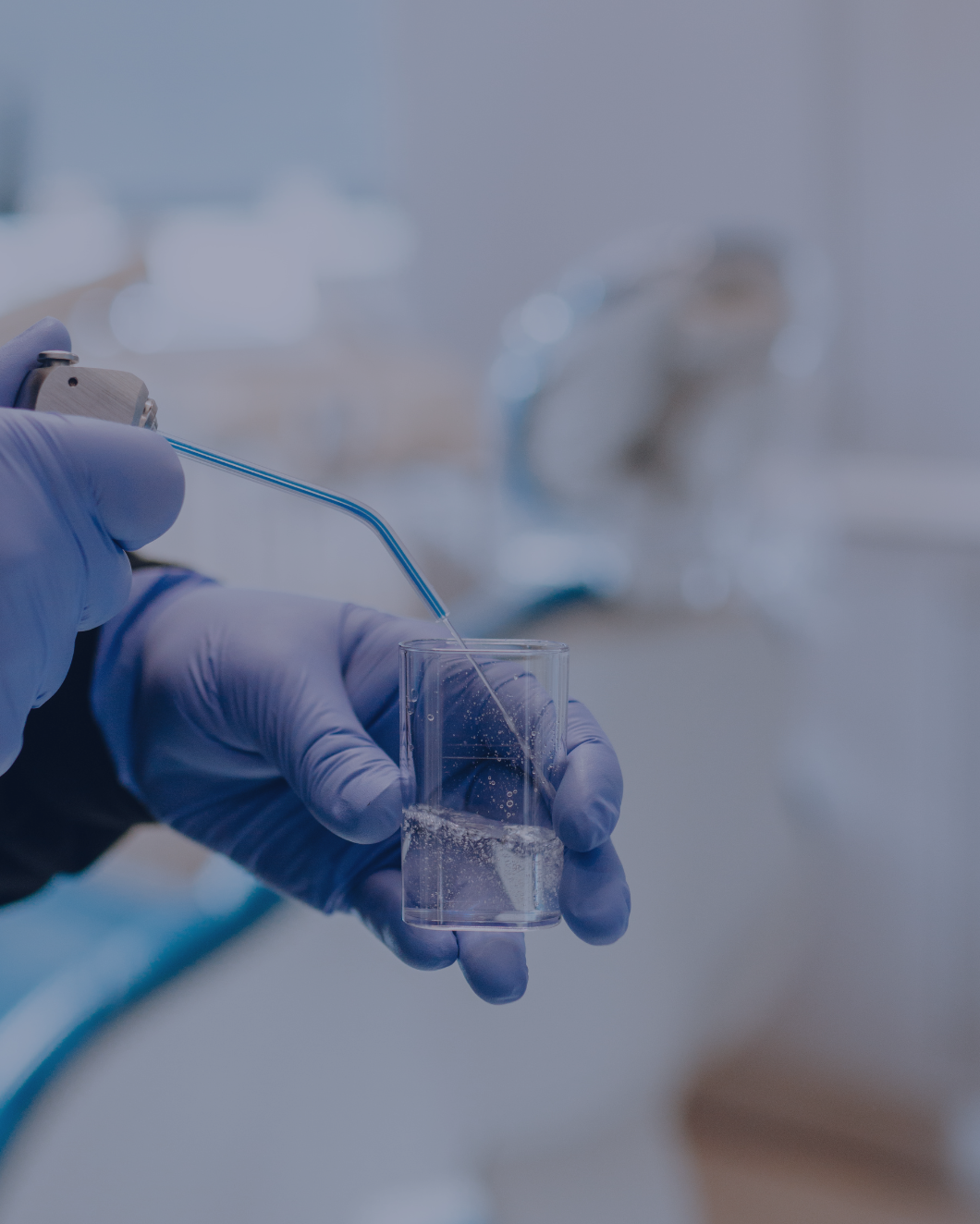
Simply pour water up the vial’s fill line, allow it to soak into the membrane filter, and empty the water from the vial.

Sit back and wait.
More than just a pass-fail screening test, QuickPass is designed to give you specific CFU ranges, helping you know exactly what action you need to take to maintain safe water.
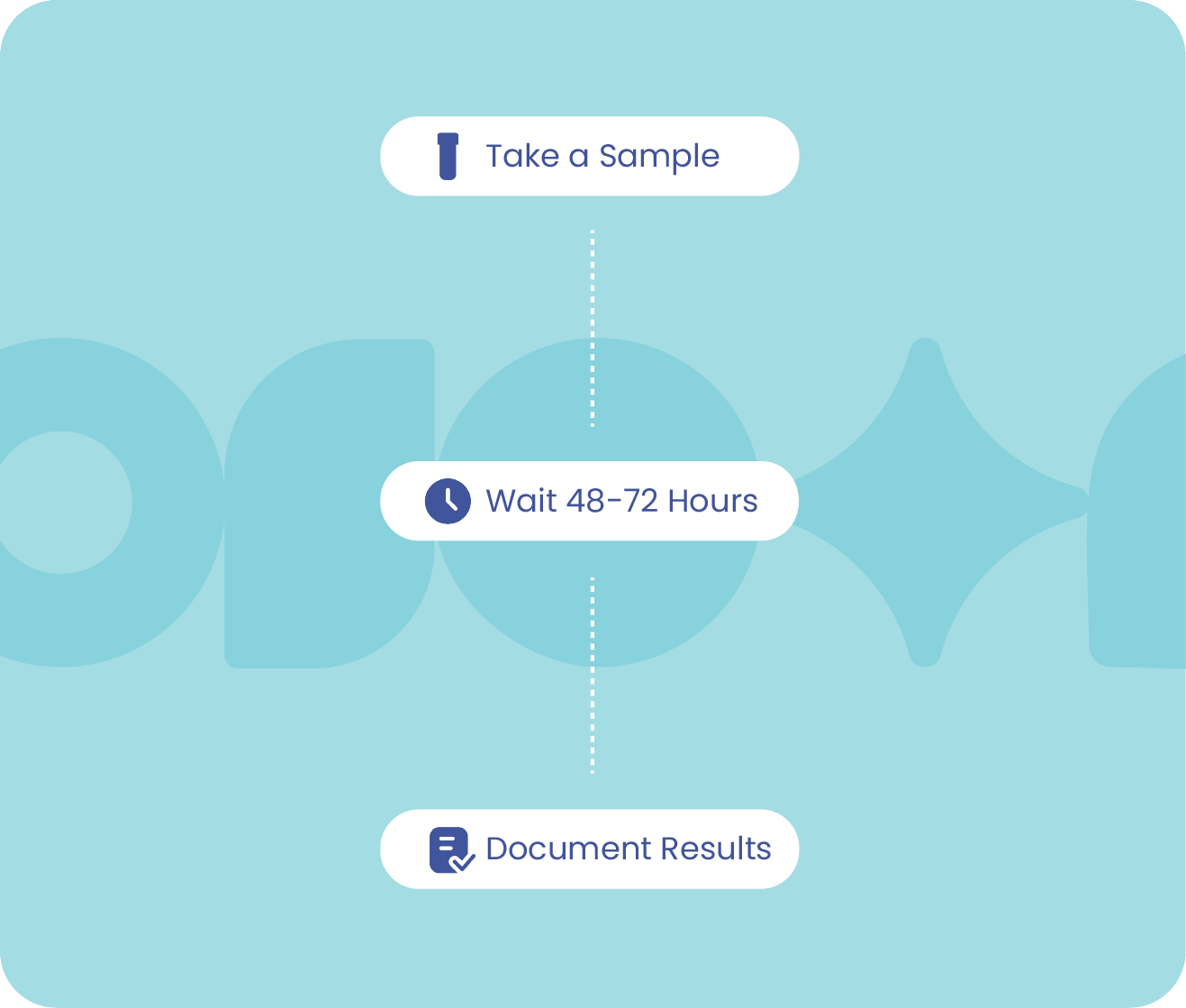

Document your results.
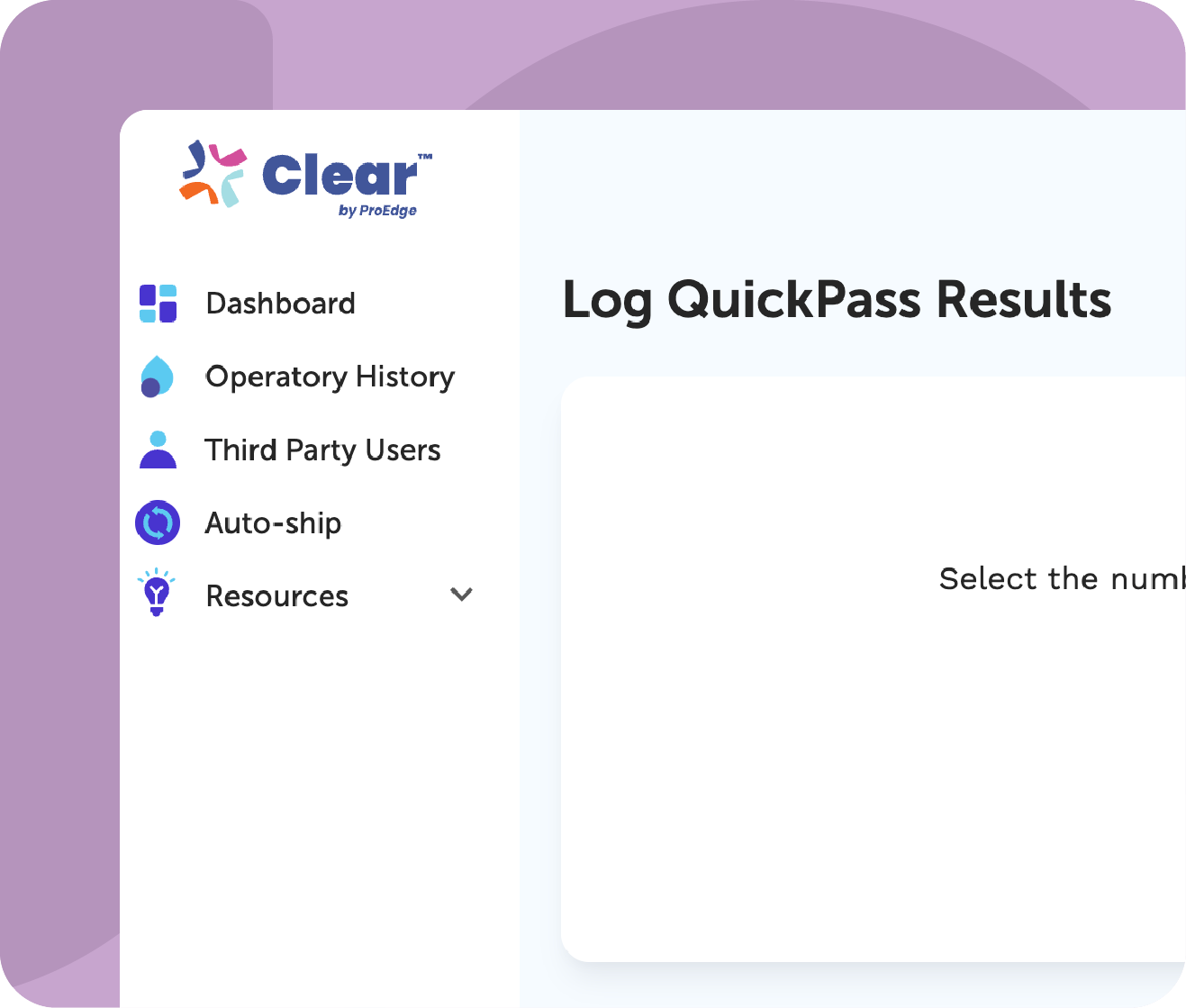
The ProEdge Clear™ Waterline Compliance Dashboard makes it easy to document results and stay on track, so your office is always waterline compliant.
QuickPass
In-Office Water Test
Test, verify, and take action—all in your office.
from $
96.99
4 pack
96.99
8 pack
177.99
12 pack
236.99
24 pack
413.99
What Customers Are Saying About ProEdge
“We just hit the highest we've ever had, which is a 98% pass rate.”
“Highly recommend ProEdge for any dental office that prioritizes patient safety and wants reliable, efficient service!”
Lizeth, Current ProEdge Customer

.svg)

"It was important to me to bring on a real compliance program."
“Their expertise significantly enhanced the health and safety standards of the dental practices and schools that I work with.”
Monica Satake, CDA, EFDA, CDIPC, B.S.Ed., M.H.E
.png)
QuickPass Video Resources
Waterline Testing
Testing Your Water with QuickPass
Waterline Testing
How to Take a Pooled Sample
Waterline Maintenance
The 3 Steps to Safe Water
QuickPass Toolkits

.svg)
QuickPass Frequently Asked Questions

Still Have Questions?


What if I need help reading my sample results?
If you’re looking for a second opinion, or unsure how to read the results, reach out to our dedicated safe water support team! Contact our dedicated safe water support team!
What if I'm seeing bacteria that isn't red on my paddle?
If you are seeing any growth on your paddle that isn’t red, you are most likely reading your results after the 72-hour mark and mold has begun to grow. This is not a direct reflection of bacteria growing in your waterlines. However, if you are seeing different colors or anything “atypical” on your paddle before the 72-hour mark, we advise shocking your waterlines.
I didn't see bacteria at the 48-hour mark, now what?
QuickPass should incubate facedown at room temperature for 48-72 hours. If the paddle is at or above 501 CFU/mL at the 48-hour mark, then corrective action can be taken immediately. If the paddle is below 500 CFU/mL at 48 hours, continue to let your QuickPass sit at room temperature until the 72-hour mark.
What is TNTC?
“TNTC” stands for “Too Numerous to Count,” indicating there are too many bacteria present to count in your sample. If you have a TNTC result, we recommend shocking 1-2 times. For specific next steps, reach out to our team.
What is QuickPass' shelf life?
QuickPass has a shelf life of 1 year and will give reliable results when used properly within that timeframe.